Project
Mounè
Interior Surface
473m²
자연과 건축의 유기적 조화.
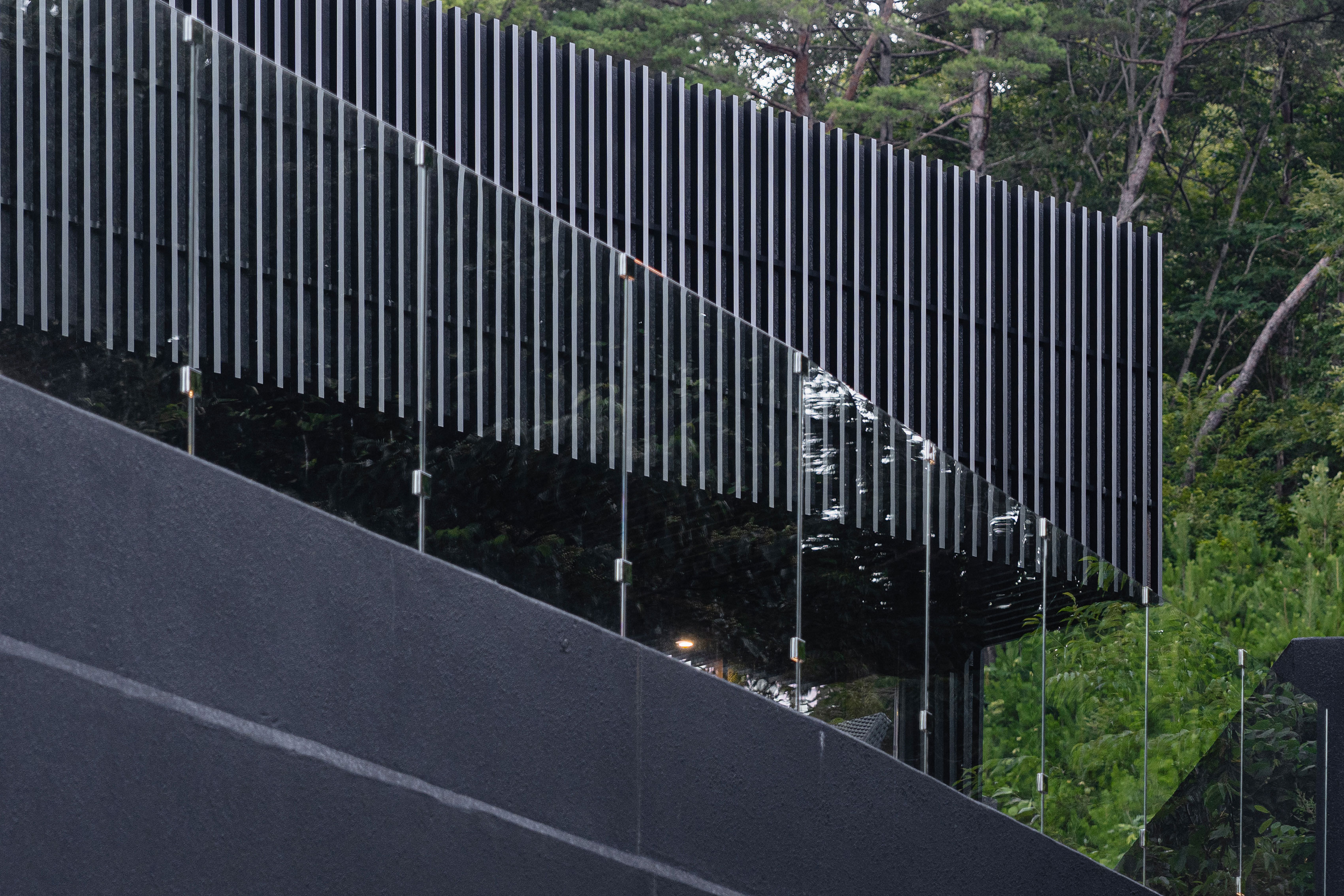
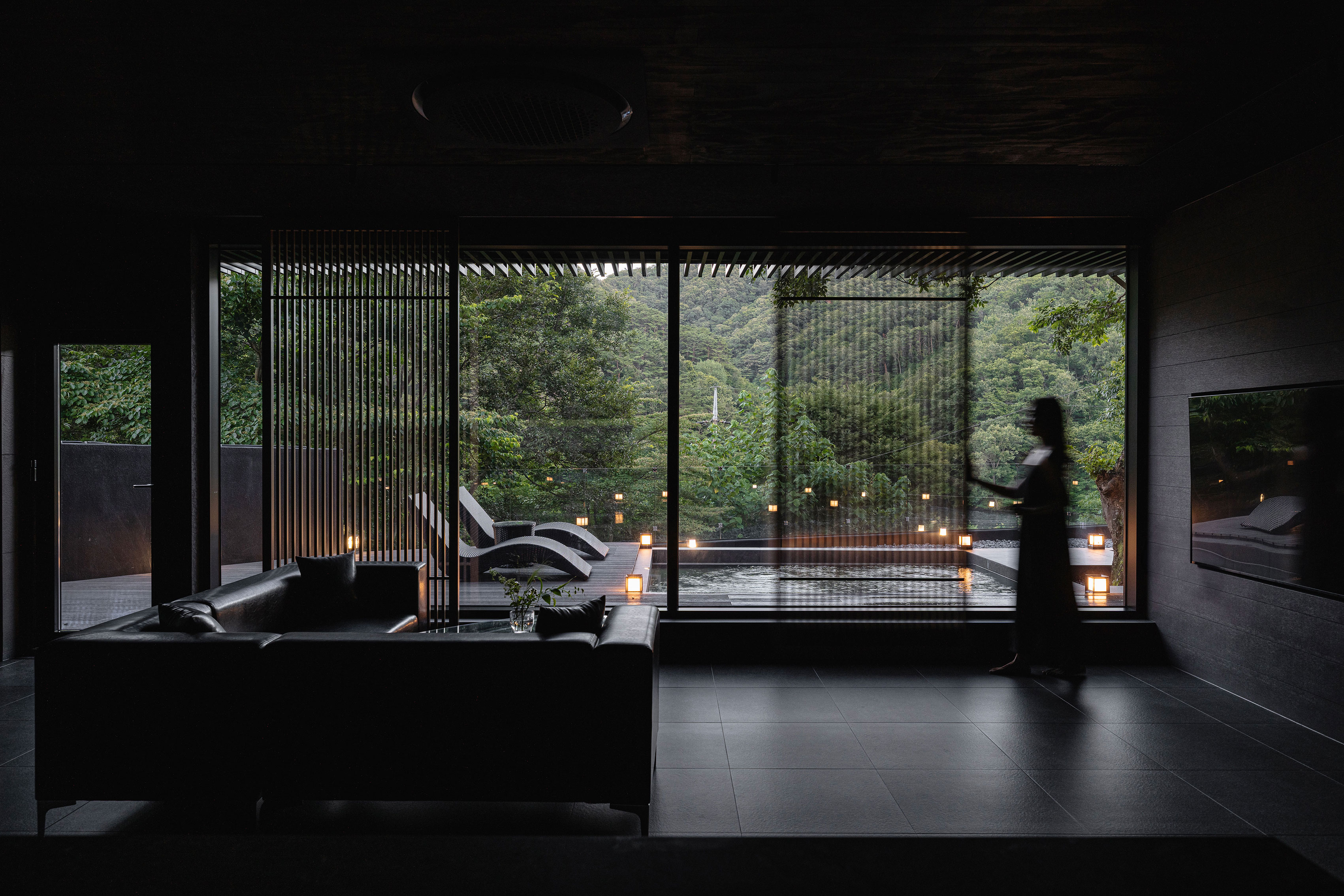
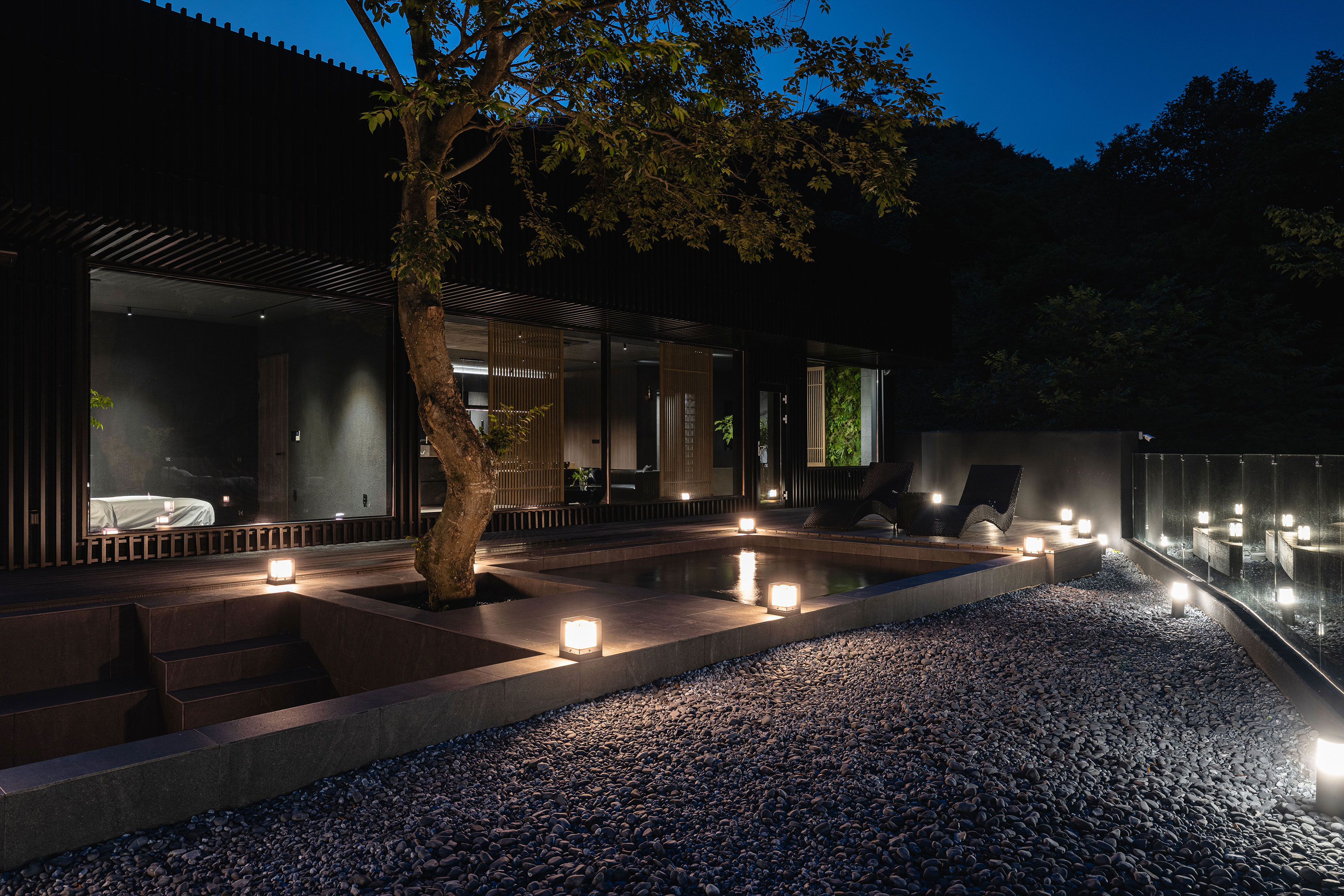
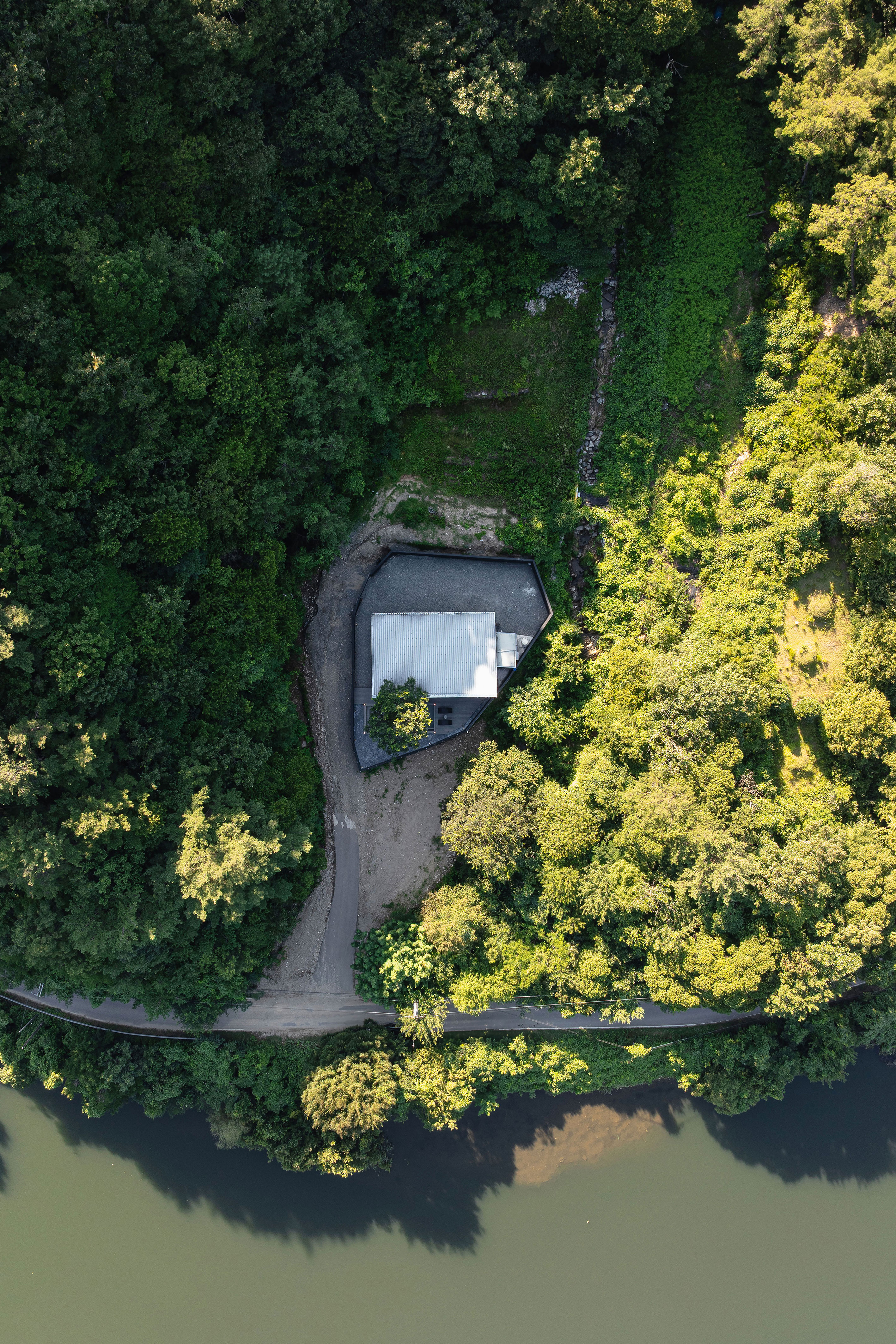
전라남도 화순의 청정 자연 속에 위치한 프라이빗 스테이입니다. 주변 환경과의 조화를 최우선으로 고려하여, 건축물이 자연을 거스르기보다 숲의 배경처럼 스며들도록 블랙 컬러를 메인으로 선정했습니다.
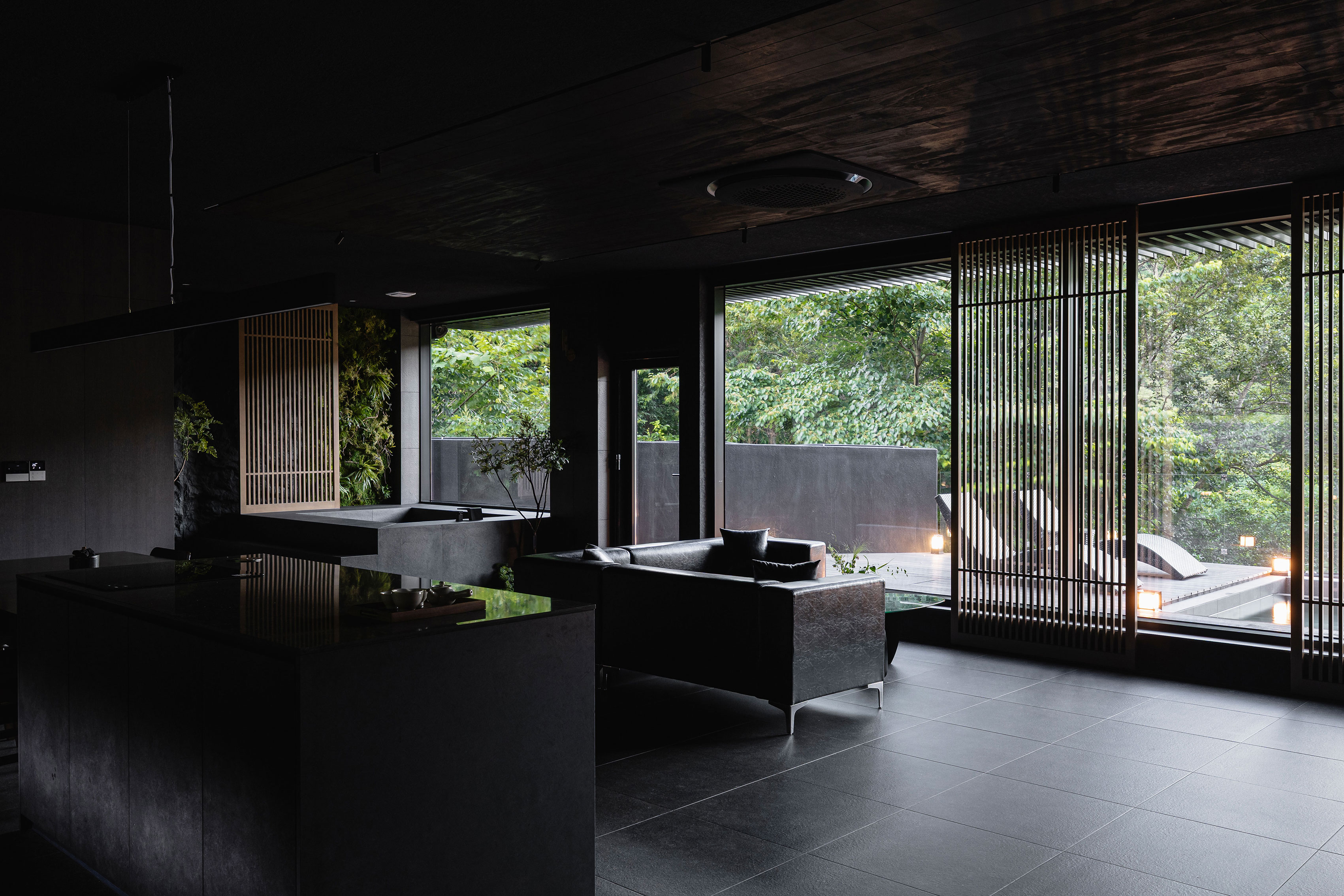
이 프로젝트의 핵심은 '경계의 소거'입니다. 과감하게 적용된 통창은 '차경'의 원리를 현대적으로 풀어낸 것으로 내부와 외부의 물리적 장벽을 허물어, 실내 어디서든 파노라마처럼 펼쳐지는 숲의 전경을 끌어들입니다.
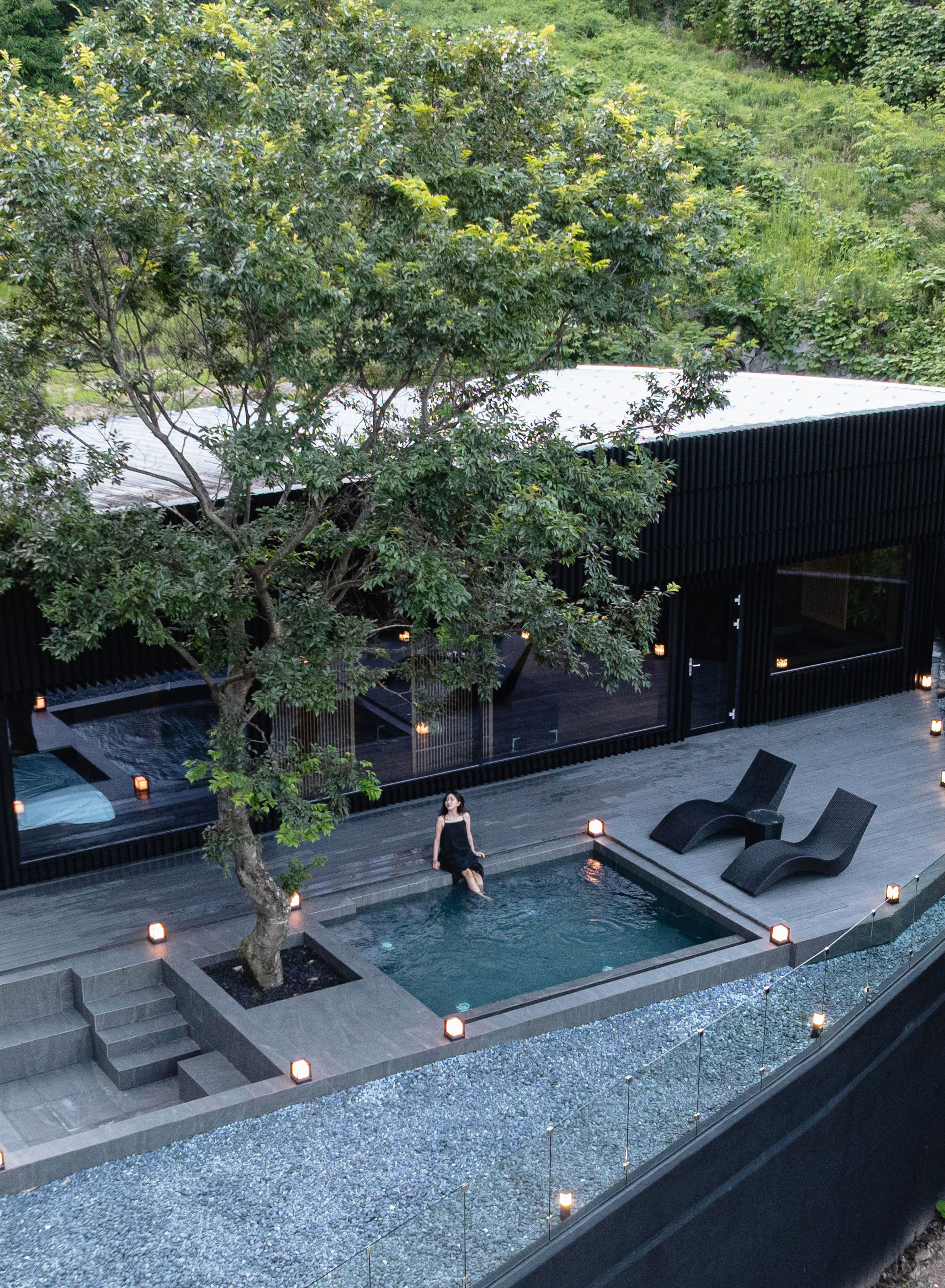
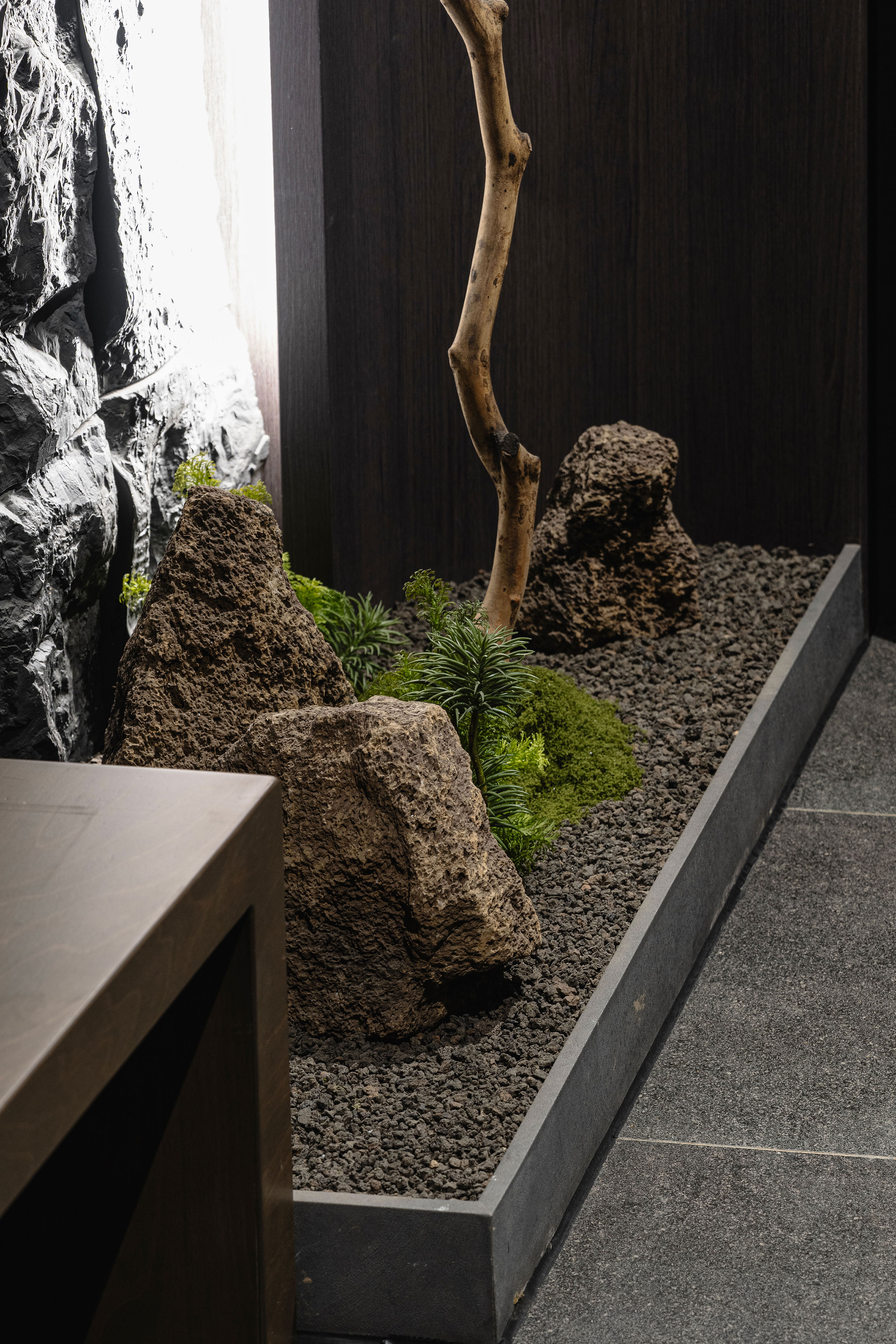
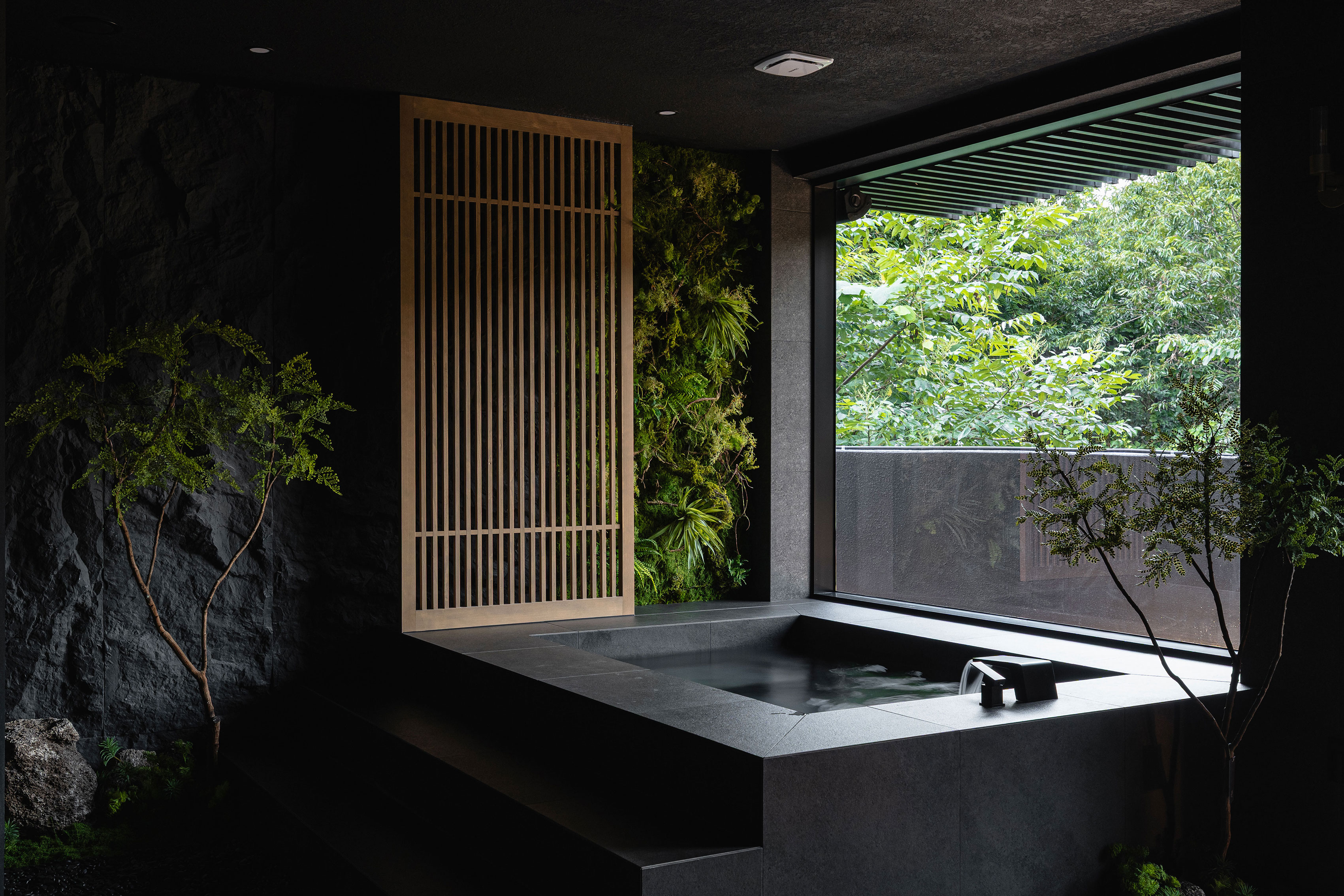
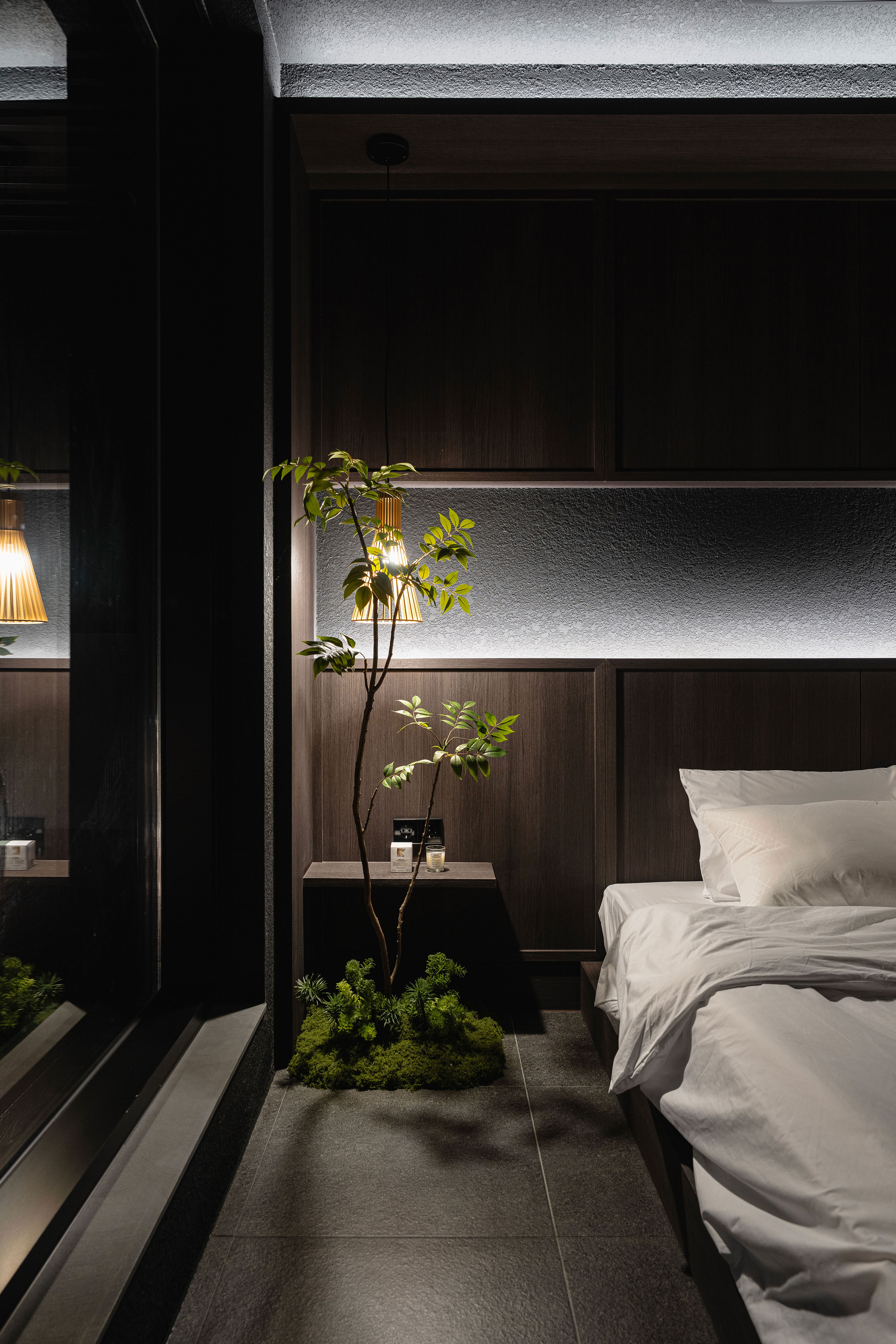
아웃도어 풀은 숲을 내려다보며 마치 자연 속을 유영하는 듯한 비현실적인 경험을 선사합니다. 외부 데크의 중정수(中庭樹)와 실내 자쿠지 옆의 조경은 건축물 내부로 자연을 깊숙히 끌어들이며, 공간의 내외부 경계를 허무는 핵심적인 디자인 장치로 작동합니다.
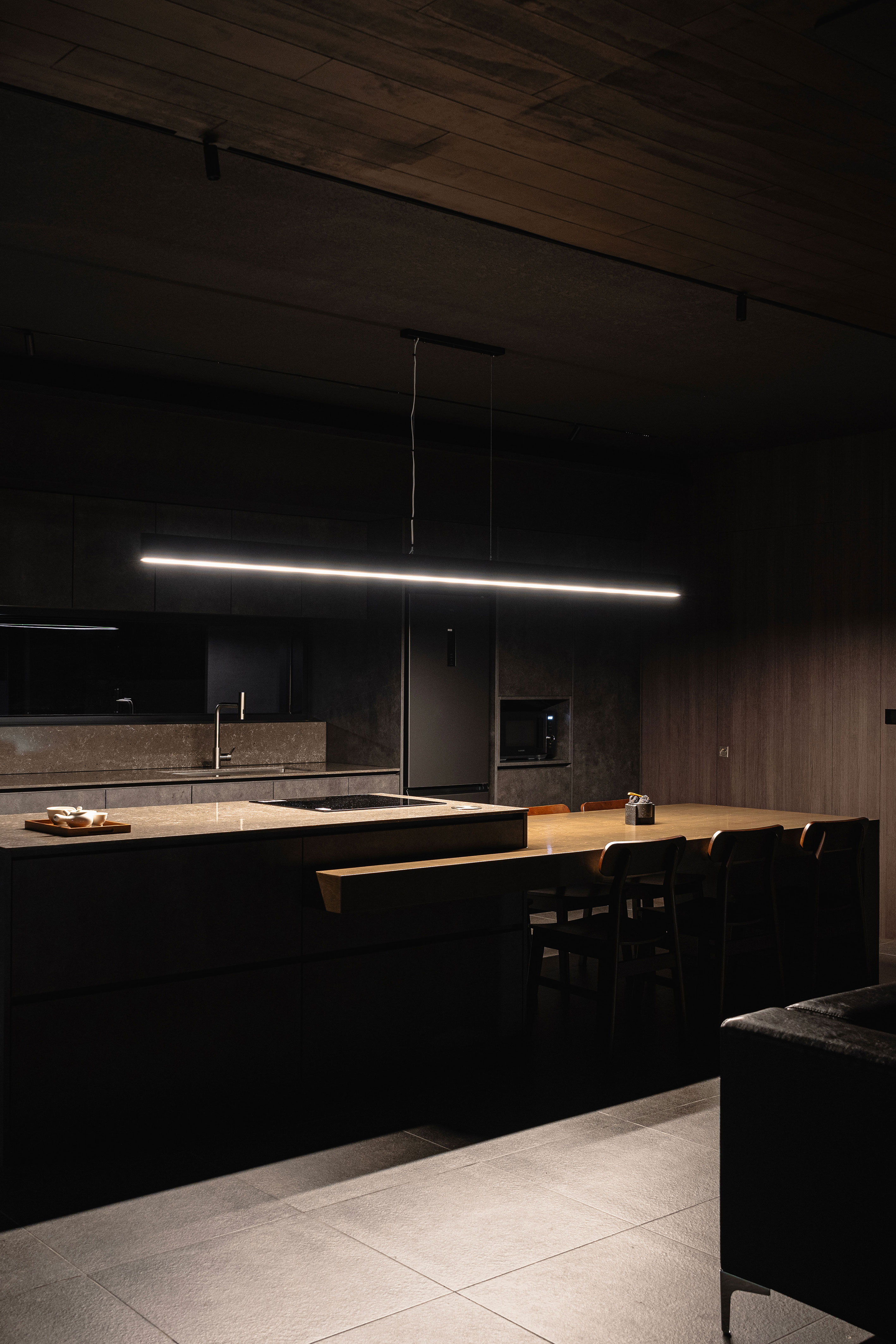
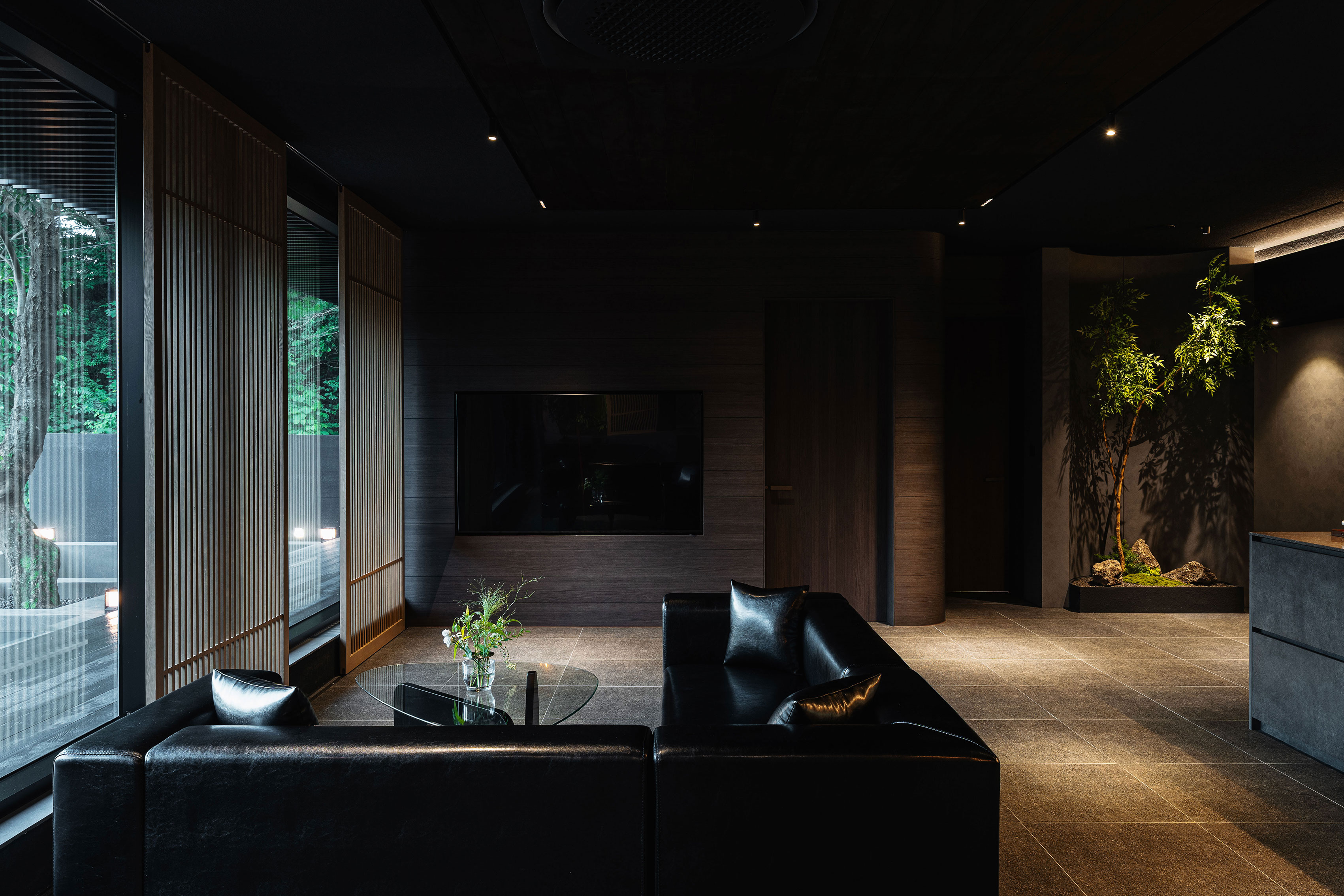
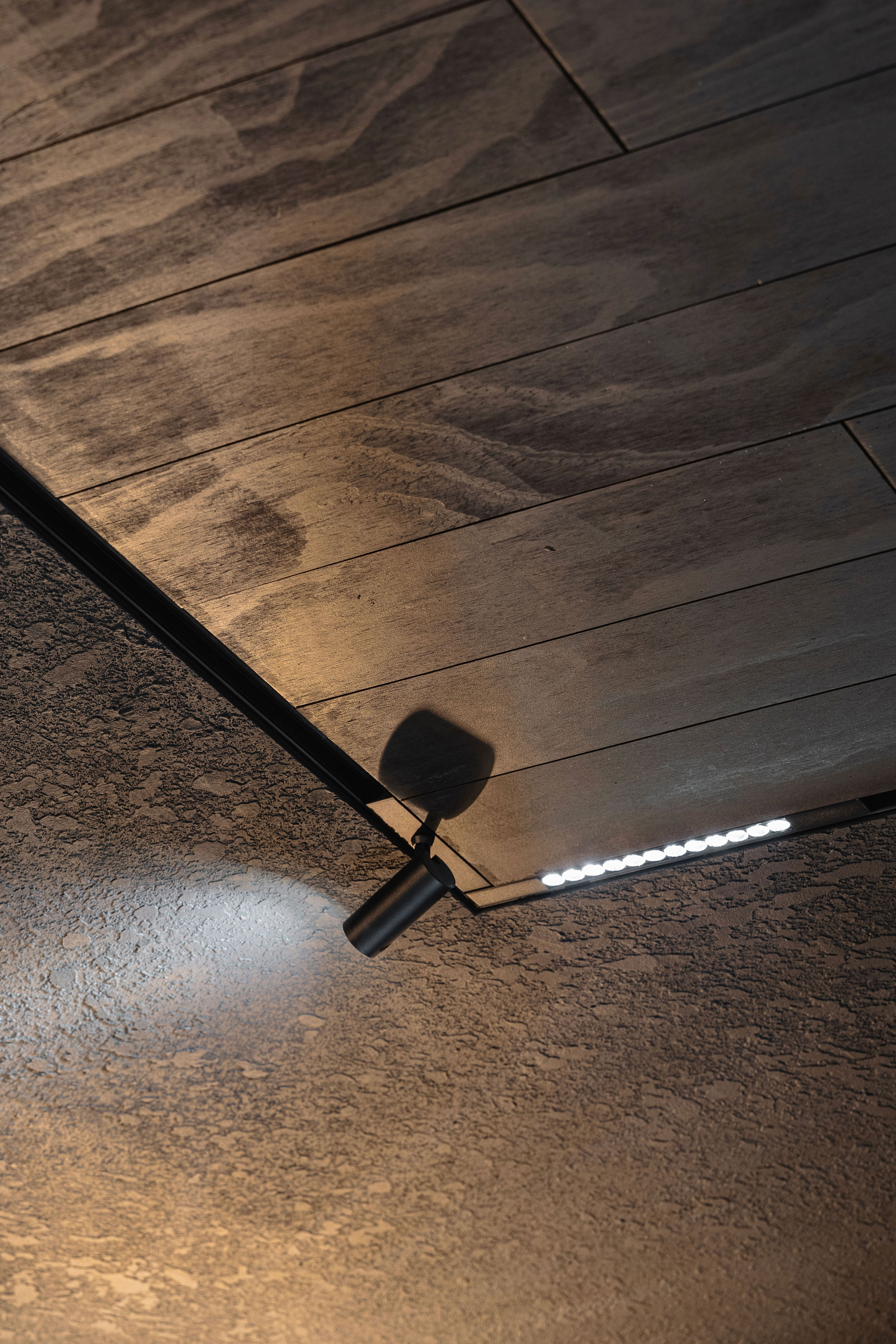
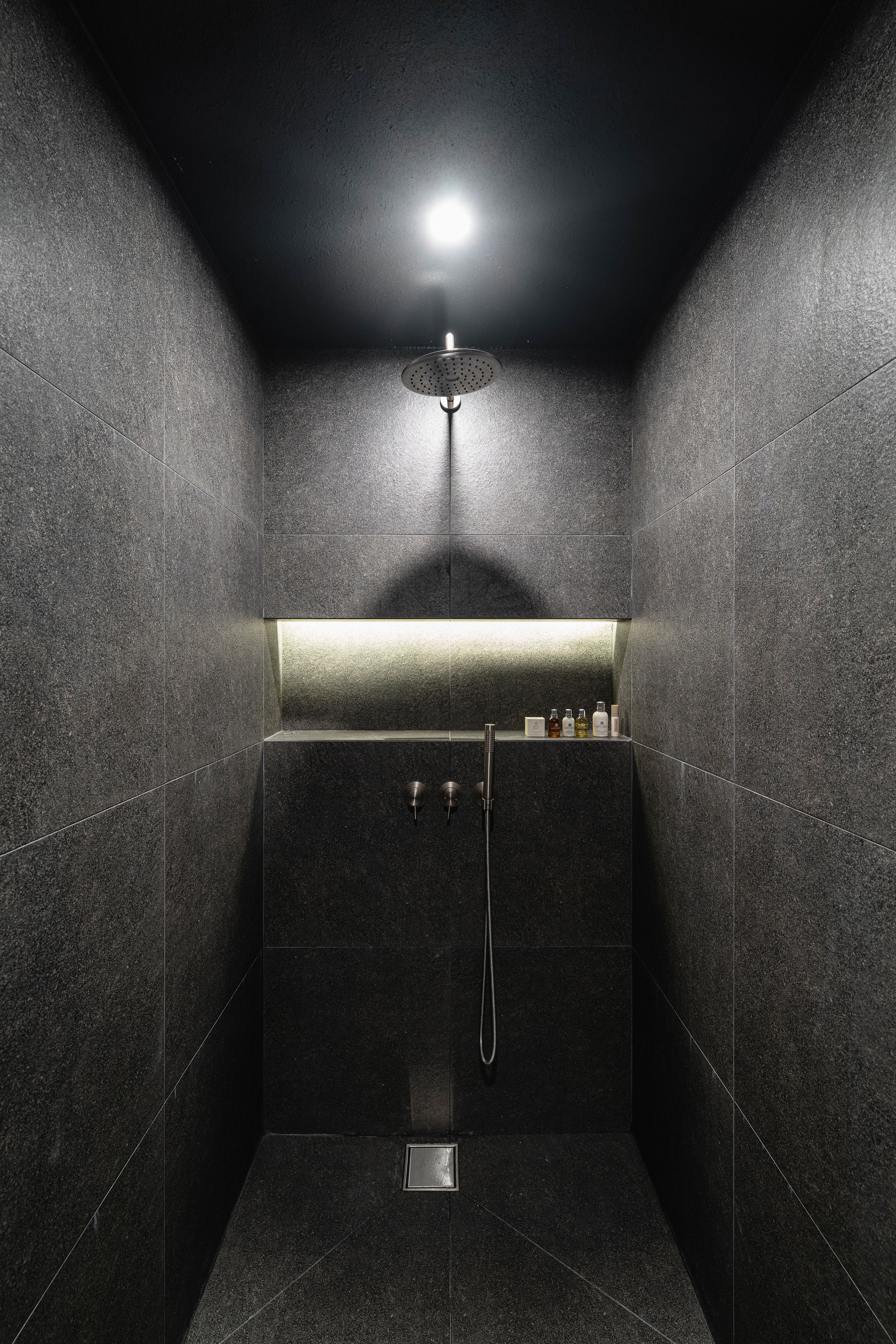
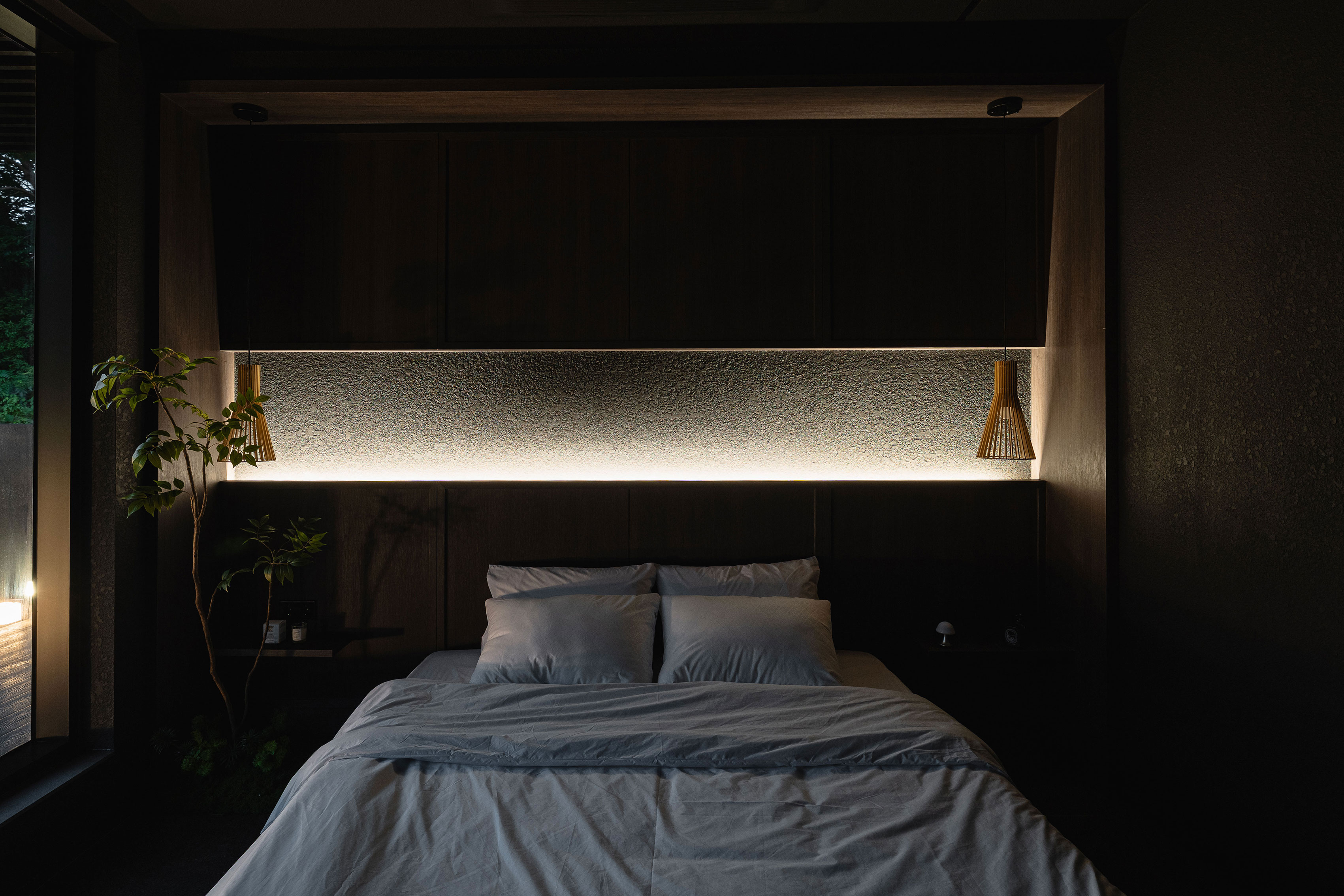
공간 전체를 아우르는 다크 그레이와 블랙 톤의 마감재는 공간에 시크한 무게감을 부여합니다. 이러한 중후함을 보완하기 위해 우드 텍스처와 플랜테리어를 적극 도입하여 시각적 온기를 더하고 자연스러운 생동감을 연출했습니다.
실내에는 간살 도어와 정제된 직선미를 활용하여 동양적인 젠(Zen) 스타일을 현대적으로 재해석했습니다. 화려한 장식 대신 여백과 음영, 그리고 창밖의 풍경을 채움으로써 머무는 이에게 깊은 사색과 평온을 선물합니다.
Organic Harmony between Nature and Architecture.
Located amidst the pristine nature of Hwasun, Jeollanam-do, this private retreat prioritizes harmony with its surroundings. A black color was selected as the primary theme, allowing the architecture to permeate the forest like a backdrop, rather than imposing itself upon nature.
The core concept of this project is the "dissolution of boundaries." The bold application of floor-to-ceiling windows offers a modern interpretation of the principle of "borrowed scenery." By dismantling the physical barriers between the interior and exterior, the design invites panoramic views of the forest into every corner of the indoor space.
The outdoor pool provides a surreal experience, creating the sensation of swimming amidst nature while overlooking the forest. The preserved tree on the outdoor deck and the landscaping beside the indoor bathtub serve as pivotal design elements that draw nature deep into the structure, effectively blurring the lines between indoors and outdoors.
Dark gray and black finishing materials dominate the space, imparting a sense of chic weight and sophistication. To balance this solemnity, wood textures and interior landscaping were actively incorporated, adding visual warmth and natural vitality to the atmosphere.
The interior features louvered doors and refined linear aesthetics, presenting a modern reinterpretation of the Oriental Zen style. By filling the space with negative space, shadows, and the scenery beyond the windows rather than ornate decorations, the design gifts visitors with a sense of deep contemplation and tranquility.